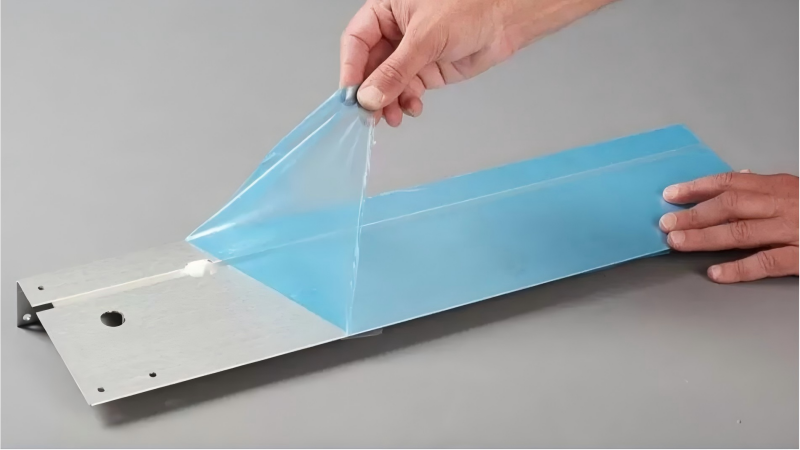
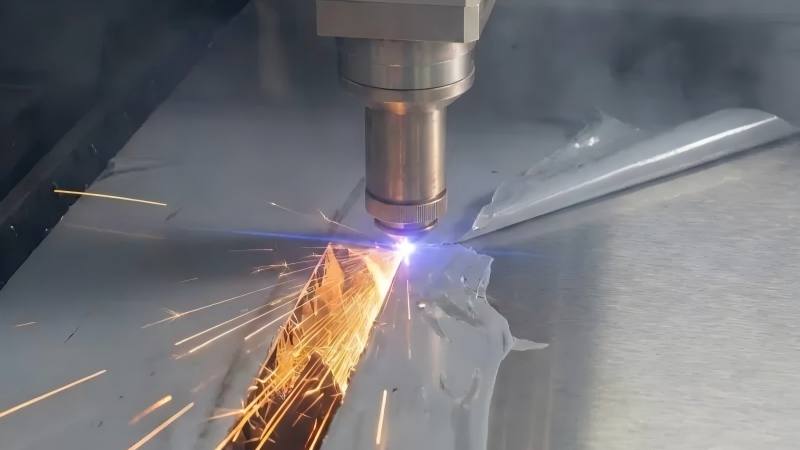
Protective film problems during manufacturing usually appear when the film, adhesive, substrate and production conditions are not properly matched. A film may look suitable during initial lamination but later develop bubbles, edge lift, wrinkles, tearing or adhesive residue after cutting, bending, forming or storage.
These failures are rarely caused by one factor alone. Surface contamination, incorrect tack, poor film flexibility, temperature changes and excessive dwell time can all contribute to protective film defects.
For production teams, the goal is not simply to find a “stronger” film. Effective protective film selection means identifying how the substrate will be processed, how long the film must remain in place and what conditions it will experience before removal.
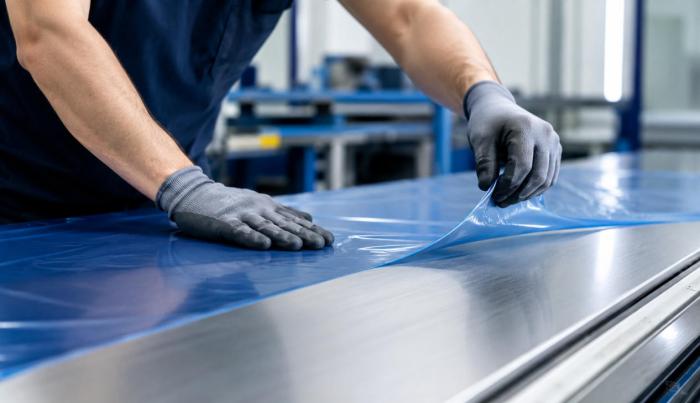
The most common protective film problems are poor adhesion, edge lifting, bubbling, wrinkling, tearing, adhesive transfer and difficult removal.
Each defect usually points to a specific mismatch between the film and the production process.
| Problem | Common Cause | Typical Solution |
| Edge lift | Adhesion too low or surface too rough | Increase tack or improve lamination |
| Bubbles | Dust, uneven pressure or trapped air | Clean substrate and control laminating pressure |
| Wrinkles | Film tension or alignment problems | Adjust tension and application speed |
| Film tearing | Insufficient elongation | Use more flexible backing |
| Adhesive residue | Excessive tack, heat or long dwell | Adjust adhesion, avoid heating exposure and within shelf time to use |
| Difficult removal | Aging, UV or incompatible surface | Select film for actual exposure period |
Edge lifting often occurs after bending because the film must stretch and remain attached as the substrate geometry changes. Bubbles can appear when contamination or uneven lamination prevents complete adhesive contact.
Adhesive residue is one of the more serious protective film defects because the film may technically protect the surface while creating additional cleaning work after removal.
This is why protective performance should be evaluated throughout the entire manufacturing cycle rather than only immediately after application.
Protective film defects during lamination and forming usually result from incorrect surface preparation, unsuitable adhesion or a backing that cannot follow the substrate deformation.
Before lamination, the surface should be dry and free from dust, oil, moisture and loose particles. Even small contaminants can create local bubbles or reduce bonding.
Application pressure also matters. If pressure is too low, adhesive contact may be incomplete. If film tension is too high, the film can stretch during lamination and later shrink back, producing wrinkles or edge curl.
Bending and forming introduce another challenge. When metal is folded, profiled or deep drawn, the film backing must elongate with the surface. A rigid film can tear at corners, while an adhesive with insufficient tack may separate at the bend.
Temperature changes can amplify these protective film problems. Adhesives generally become softer at higher temperatures and firmer in cold conditions, which can change peel strength during processing and storage.
For this reason, protective film selection should include not only room-temperature testing but also the highest and lowest temperatures expected during production, transport and warehousing.
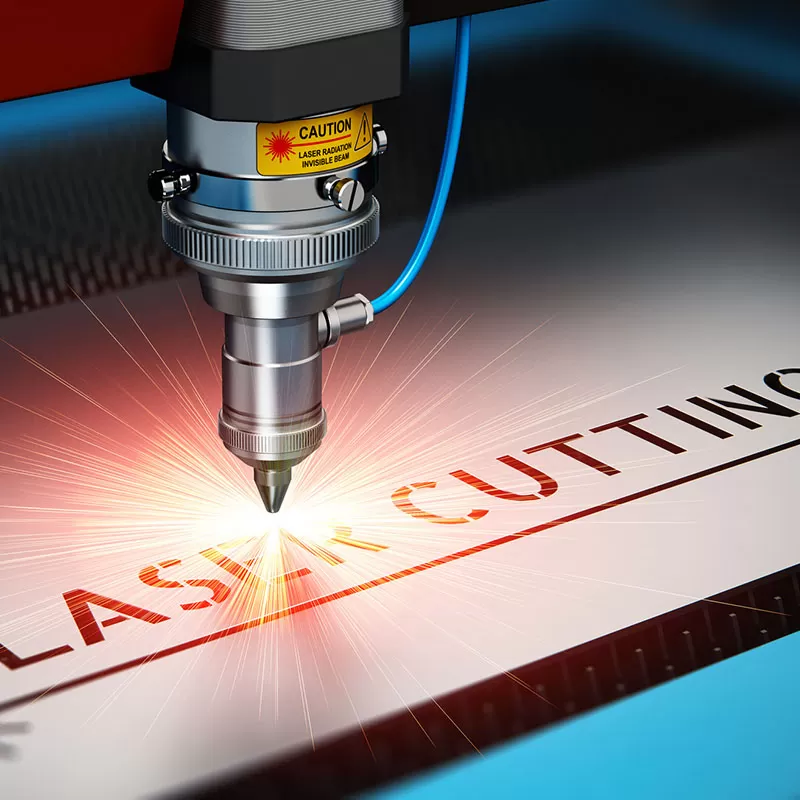
Laser cutting places additional thermal and mechanical stress on protective film, making adhesive compatibility and heat resistance especially important.
During laser processing, heat is concentrated around the cut line. If the film or adhesive is unsuitable, it may shrink, melt, char or leave residue close to the cut edge.
A properly designed laser cutting protective film must remain stable enough to protect the sheet during handling while allowing clean cutting and removal afterward.
The film should also remain flat against the metal. Lifted edges or bubbles can interfere with laser processing and may expose the underlying surface to scratches or contamination.
Different laser systems and sheet materials create different requirements. Stainless steel, aluminum and pre-coated metal may need different adhesion levels even when processed on the same laser machine.
When specifying protective film for laser cutting, buyers should therefore provide the substrate type, laser process, film dwell time and whether additional bending or forming will occur after cutting.
Testing under real cutting conditions is essential because a film that performs well during storage may still fail when exposed to localized heat.
Effective protective film selection matches adhesive strength, film backing and durability to the substrate and every production stage the film must survive.
The first step is to understand the surface. Smooth stainless steel, textured metal, painted panels, plastics and glass all create different adhesive contact conditions.
Next, determine what the film must endure. A product that only needs warehouse protection may require different backing strength from one that will pass through laser cutting, stamping or deep drawing.
Peel adhesion should also be compared under consistent conditions. ASTM D3330/D3330M provides standardized methods for measuring peel adhesion of pressure-sensitive tapes, demonstrating why measured adhesion depends on both test method and substrate.
For buyers, good protective film selection should consider:
substrate material and surface finish;
required adhesion level;
cutting, bending or forming process;
film elongation and tear resistance;
process and storage temperature;
UV exposure;
required dwell time;
final removal conditions.
These factors explain why simply ordering the highest-tack film is rarely the best solution.
Troubleshooting protective film problems should begin by identifying when the defect first appears and what changed immediately before it occurred.
If bubbles appear immediately after lamination, inspect surface cleanliness, roller pressure and film tension. If edge lift appears only after bending, the problem may involve backing flexibility or insufficient tack.
Residue that develops only after months of storage points more strongly toward adhesive aging, heat exposure or excessive dwell time. Film tearing during stamping or forming usually suggests inadequate elongation or an unsuitable backing thickness.
For recurring protective film defects, production teams should record substrate batch, film batch, application temperature, dwell time and processing conditions. Comparing these variables can reveal whether the problem originates from the film, the surface or the manufacturing process.
Donlee works with industrial surface-protection applications across metal, appliances, construction and manufacturing. Working with an experienced protective film manufacturer is particularly useful when standard film specifications cannot reproduce the required performance across multiple processing stages.
The most reliable approach is to approve the film through a production trial rather than relying only on datasheet values.
Most protective film problems are caused by a mismatch between film properties and actual manufacturing conditions. Edge lift, bubbles, wrinkles, tearing and residue are often symptoms of incorrect adhesion, poor surface preparation, unsuitable backing flexibility or excessive environmental exposure.
Reducing protective film defects therefore begins with better protective film selection. Manufacturers should evaluate the substrate, fabrication process, temperature, dwell time and removal conditions together, then confirm performance through real production testing.
A protective film should not merely stay attached—it should protect the surface throughout manufacturing and still remove cleanly at the end of the process.
Common causes include insufficient adhesion, rough surfaces, poor lamination or stress created during bending and forming.
Dust, moisture, trapped air and uneven laminating pressure are common causes.
Heat, UV exposure, excessive adhesion and long dwell time can contribute to adhesive transfer.
The film may not have enough elongation or flexibility for the amount of substrate deformation.
Yes. Heat around the cutting area can cause shrinkage, melting or residue if the film is not suitable for laser processing.
Test the film on the actual substrate under real cutting, forming, storage and removal conditions before bulk production.