As the world shifts rapidly toward electrification, from the smartphones in our pockets to the electric vehicles (EVs) in our driveways, battery safety has moved to the forefront of engineering priorities. Among the various risks associated with high-energy-density lithium-ion batteries, none is more feared than thermal runaway.
While liquid cooling systems and sophisticated battery management systems (BMS) get most of the spotlight, one of the most critical components in battery safety is also one of the smallest: battery insulation tape.In this blog, we’ll explore how high-performance tapes act as a vital barrier against catastrophic failure and why your choice of materials is the true "first line of defense."
Thermal runaway occurs when a battery cell enters an uncontrollable, self-heating state. This usually happens when an internal or external short circuit, physical damage, or overcharging causes temperatures to spike. Once the heat reaches a critical threshold, it triggers a chemical chain reaction that generates even more heat, often leading to venting, fire, or even explosions.In a battery pack containing hundreds or thousands of cells, the goal is mitigation. If one cell fails, you must prevent that heat from jumping to the next. This is where specialized insulation comes into play.
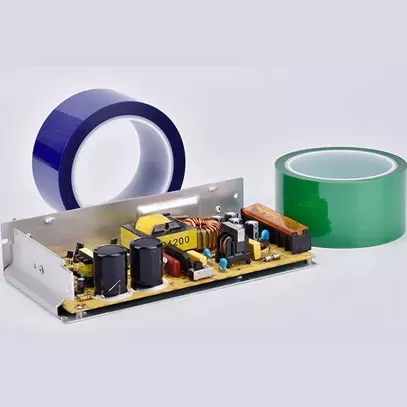
High-performance battery insulation tape isn't just a basic adhesive; it is a precision-engineered safety component. Its primary functions include:
The most basic function of insulation tape is to prevent electrical arcing and short circuits. By wrapping cells and busbars, these tapes ensure that current only flows through the intended paths. A breach in this insulation is often the catalyst for the very short circuits that trigger thermal runaway.
In the high-voltage environment of an EV battery pack, standard tape would fail. Professional-grade insulation tapes are designed with high dielectric strength, meaning they can withstand high voltages without breaking down or becoming conductive.
In the event of a localized spark or minor overheating, you need a material that won't contribute to the fuel load. High-quality battery tapes are often UL 94 V-0 rated, meaning they are self-extinguishing and provide a crucial buffer that slows the spread of heat.
While the body of the cell needs protection, the terminals are the most vulnerable points. Battery terminal tape is specifically designed to protect the "business end" of the battery.
Arc Prevention: Terminal tape prevents accidental contact between the positive and negative leads during assembly and operation.
Corrosion Resistance: Terminals are sensitive to environmental factors. High-performance tape seals out moisture and contaminants that could lead to dendrite growth—a major cause of internal shorts.
Mechanical Protection: During the vibration and stress of a vehicle in motion, terminal tape ensures that connections remain secure and insulated from the surrounding housing.
Not all tapes are created equal. When sourcing materials for battery assembly, the following properties are non-negotiable:
Thermal Stability: The tape must maintain its physical and adhesive properties at both extreme cold and high operating temperatures.
Chemical Resistance: Battery environments can be harsh. Tapes must resist electrolytes and other chemicals used in cell manufacturing.
Thin Profile: Space is at a premium in battery packs. The goal is maximum insulation with minimum thickness to maintain energy density.
Adhesion Reliability: If a tape flags (peels off) over time, the insulation is compromised. Advanced acrylic or silicone adhesives are required for long-term bonding.

When it comes to preventing thermal runaway, there is no room for compromise. A failure in a $0.50 piece of tape can lead to the failure of a $10,000 battery pack—or worse, a significant safety hazard for the end user.At Film and Tapes, we specialize in providing high-performance EV battery tapes that meet the rigorous standards of the automotive and electronics industries. Whether you need specialized battery terminal tape or robust battery insulation tape for cell wrapping, we provide the materials that keep your technology—and your customers—safe.