Preserve the look of your stainless steel surfaces with these expert tips from Donlee.
Introduction: Why Is This Important?
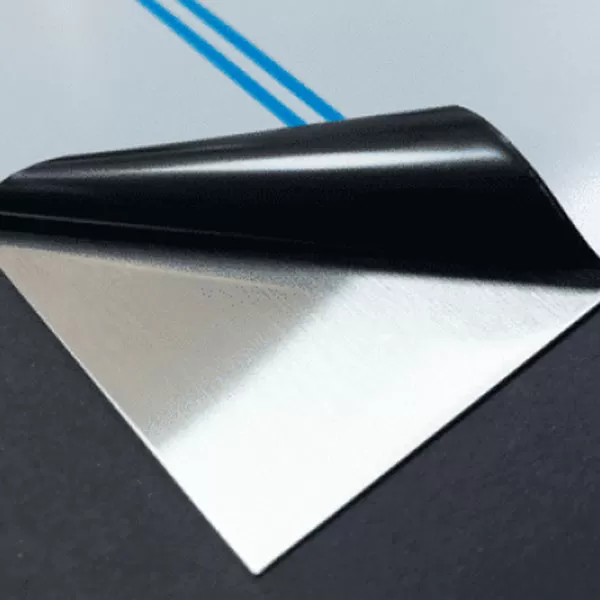
Imagine receiving a pristine stainless steel appliance or sheet, only to find the protective blue or clear film stubbornly stuck or leaving behind a sticky residue. Frustrating, right? Incorrect removal methods can damage the surface, ruining that sleek brushed look. That's where we come in!
Donlee, an industry leader in high-performance protective films for stainless steel, is here to teach you how to remove this pesky film without causing damage.
Why Does Protective Film Become Hard to Remove?
Let’s uncover the science behind why that protective film is sticking to your stainless steel:
UV Exposure: Direct sunlight causes the adhesive to "bake" onto the metal surface over time.
Aging: Leaving the film on for longer than the manufacturer’s recommended time frame (6–12 months) can make removal more difficult.
Low-Quality Protective Tape: Inferior adhesive formulations can chemically bond into the surface, leaving stubborn residue.
Donlee Quick Fact: High-quality films like Donlee's are designed to resist adhesive cross-linking, even under hot and humid conditions.
Step-by-Step Guide: How to Remove Protective Film Safely
Method 1: The Peeling Technique (Best for New Film)
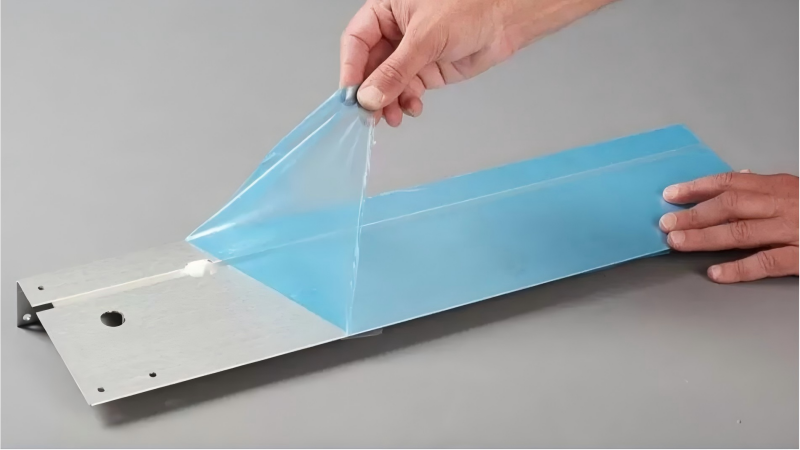
Start at an inconspicuous corner of the film.
Gently lift the edge of the film and peel it at a 45-degree angle.
Avoid jerky movements; instead, apply slow, consistent force for a clean pull.
Donlee Expert Tip: Do not pull the film straight up or apply uneven force, as it may tear and complicate the removal process.
Method 2: The Heat Application (Best for Brittle or Aged Film)
Use a hairdryer or heat gun set on low to gently warm the surface of the film.
Keep the heat source at least 6 inches away to prevent overheating.
Carefully peel the film while it's still warm.
Donlee Expert Tip: Always test the method on a small area first – excessive heat can warp thin stainless steel sheets.
Method 3: Removing Stubborn Residue
Sometimes, adhesive residue will remain on the metal. Here’s how to tackle it:
Use a solvent like WD-40, Isopropyl alcohol, or a citrus-based cleaner to break down the residue.
Gently scrub with a microfiber cloth. Avoid using abrasive pads or steel wool, as they can scratch the surface.
Wipe clean with a damp cloth and dry immediately to prevent streaks or water spots.
For industrial applications, check out our guide on how to remove protective film from metal in different scenarios.
Dos and Don’ts for Stainless Steel Care
DO: Always work in the direction of the grain if the surface has a brushed finish.
DON’T: Use knives or razor blades; this causes permanent damage.
DO: Use chemical cleaners sparingly and always test in a small, hidden area first.
Prevention: Why the Right Film Matters
The easiest way to avoid removal headaches is to start with high-quality protective films. Enter Donlee– a trusted brand in the protective film industry.
Here's why our stainless steel protective tape is the top choice:
Features easy-peel technology to minimize residue.
UV-resistant adhesives to prevent degradation over time.
Formulas customized for both brushed and mirror stainless steel finishes.
Frequently Asked Questions
Can I use vinegar to remove film residue?
Yes, but vinegar is less effective compared to oils or specialized cleaners. Use it for light residues only.
How long should I leave protective tape on?
Most manufacturers, including Donlee, recommend removing the tape within 6–12 months to avoid adhesion issues or residue problems.
Conclusion
With the right techniques and a little patience, you can safely remove protective film from stainless steel surfaces without damaging the finish. If you want to avoid these challenges altogether, start by investing in high-quality protective films designed to peel easily and leave no residue.