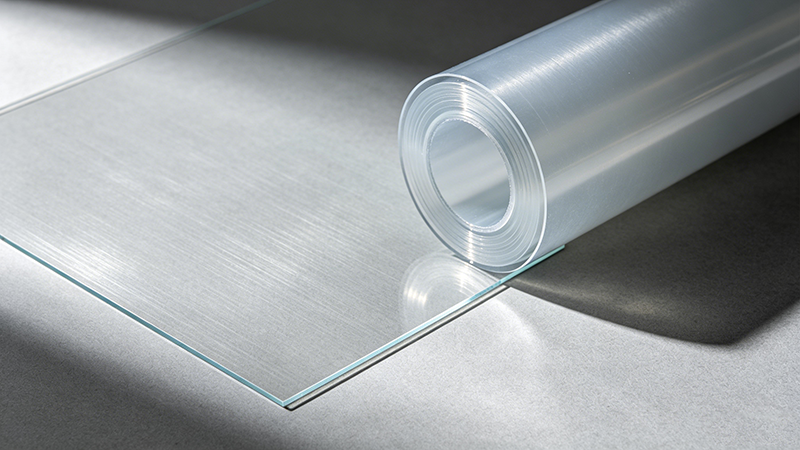
Choosing the right protective film for metal requires matching the film to both the surface and the manufacturing process. Polished stainless steel, anodized aluminum and pre-painted steel may all require temporary protection, but they do not need the same adhesive strength or film structure.
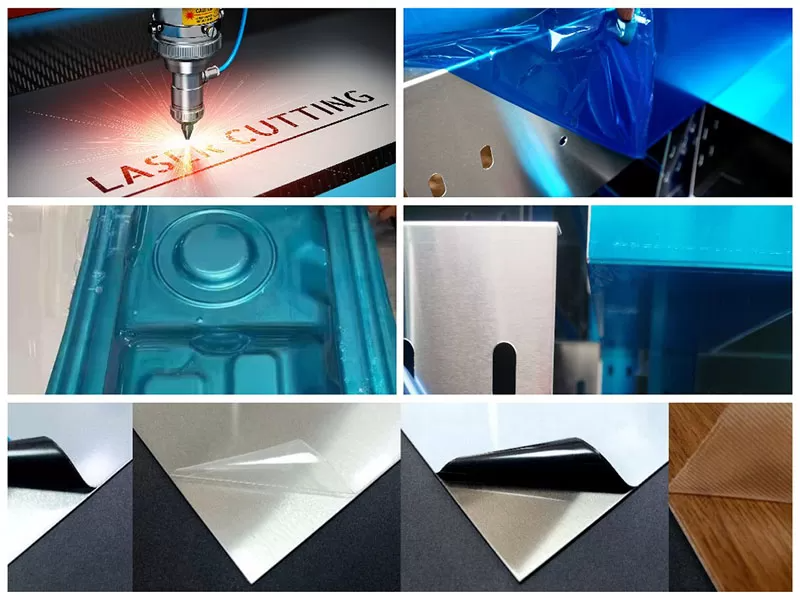
A suitable metal protective film should resist scratches, dust and handling damage while remaining stable during cutting, bending, forming, storage and transport. It should then peel away cleanly without residue, ghosting or visible marking.
For buyers, film selection should therefore begin with surface finish, processing conditions and required protection time rather than thickness alone.
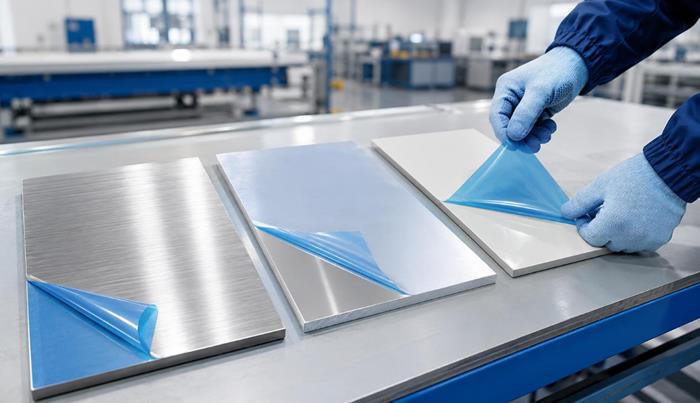
Protective film for metal should be selected according to surface texture, adhesion level, fabrication process, exposure conditions and removal time.
Smooth surfaces create more adhesive contact. Mirror stainless steel may therefore need controlled tack, while textured metal may require stronger adhesion to prevent edge lift.
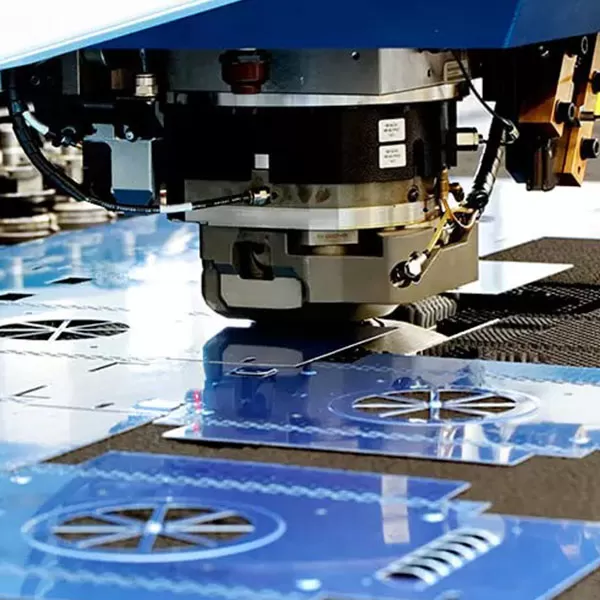
Fabrication also matters. A film used only during storage faces less stress than one that must survive bending, roll forming or deep drawing.
| Metal Surface | Main Risk | Film Priority |
| Mirror stainless steel | Residue or ghosting | Controlled adhesion |
| Brushed stainless steel | Edge lift | Good conformability |
| Anodized aluminum | Surface marking | Low-medium tack |
| Rough aluminum | Poor adhesive contact | Higher tack if needed |
| Pre-coated metal | Coating interaction | Clean removal |
| Formed parts | Tearing | High elongation |
The best metal protective film is therefore not always the strongest film, but the one whose adhesive and backing match the actual process.
Stainless steel protective film should be matched to the exact finish because polished, brushed and textured surfaces interact differently with adhesive.
Mirror and polished stainless steel are visually sensitive. Excessive adhesion can increase peel force or leave marks after removal. Brushed and hairline surfaces create more texture, so the film may need greater conformability and tack to remain attached during cutting or bending.
When selecting stainless steel protective film, buyers should provide the real finish rather than simply stating the steel grade. Surface roughness, forming process, storage period and outdoor exposure can all influence film performance.
A stainless steel protective film that works on a mirror surface should not automatically be used on embossed or deeply brushed steel. Testing on the real substrate is the safer approach.
Aluminum protective film should be selected according to finish, forming severity, surface sensitivity and environmental exposure.
Different aluminum finishes require different film characteristics:
Polished or mirror aluminum: controlled tack helps reduce residue or ghosting.
Anodized aluminum: adhesive compatibility should be checked carefully.
Brushed aluminum: good conformability helps maintain contact with the surface texture.
Powder-coated aluminum: the film should match the specific coating and gloss.
Rough or sandblasted aluminum: higher tack may be needed because adhesive contact is reduced.
Bent or formed aluminum: high elongation helps prevent tearing or edge lift.
For fabrication applications, aluminum protective film should remain attached during bending and forming without becoming difficult to remove afterward.
Outdoor use adds another requirement. UV exposure and heat can change adhesive behavior, so buyers should confirm the recommended outdoor dwell time before bulk production.
Precoated metal protective film must protect the decorative coating while remaining compatible with it during forming, transport, storage and removal.
Pre-painted steel and coated aluminum may use polyester, PVDF, plastisol or other coating systems. These vary in gloss, hardness and surface energy, which means the same adhesive may perform differently on two similar-looking panels.
A suitable precoated metal protective film should stay attached during slitting, bending or roll forming but still peel away cleanly afterward.
Higher adhesion is not automatically better. Too much tack can increase removal force or cause adhesive transfer, while insufficient tack may lead to film lift during processing.
For architectural panels, buyers should also consider UV resistance and storage duration. Coating type, gloss level, forming process and expected dwell time should all be provided when requesting samples.
The most important properties are adhesion, thickness, elongation, temperature resistance, UV stability and clean-removal performance.
Buyers should compare:
Peel adhesion: sufficient to prevent lift without creating excessive removal force.
Film thickness: matched to scratch and abrasion risk.
Elongation: important for bending and deep drawing.
Temperature resistance: relevant during production and storage.
UV resistance: necessary for outdoor exposure.
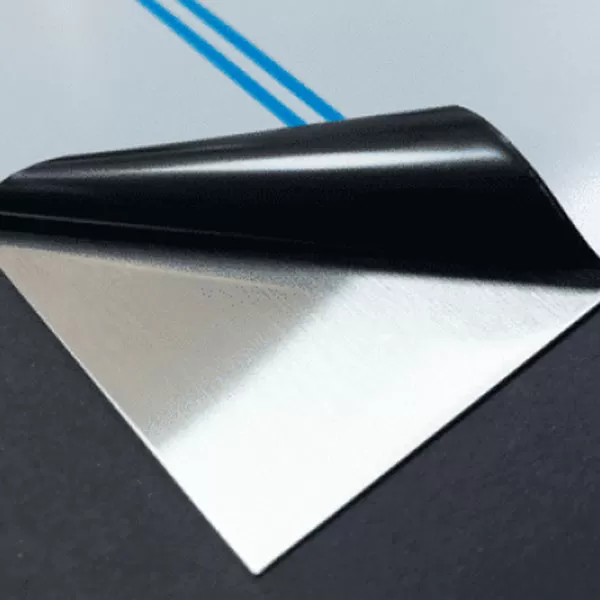
Removal behavior: no residue, ghosting or visible surface damage.
These factors interact with each other. A thicker film may improve scratch resistance but reduce conformability. Higher tack may improve adhesion on textured metal but create problems on polished surfaces.
This is why protective film for metal should not be selected using only thickness or peel strength.
The most reliable way to approve protective film is to test it on the actual substrate under realistic production and storage conditions.
A useful trial should include lamination, cutting or forming, expected storage time and final removal. After the trial, check for bubbles, edge lift, film tearing, excessive peel force and adhesive residue.
If the film lifts only after bending, adhesion or backing flexibility may be insufficient. If removal becomes difficult after outdoor storage, UV exposure or dwell time may be the main cause.
Donlee works with protective films for stainless steel, aluminum, pre-coated metal and other industrial surfaces. Providing a real substrate sample and process information gives the supplier a stronger basis for recommending the correct film.
For repeat orders, the approved substrate, film structure and test conditions should also be recorded.
Choosing the right protective film for metal requires matching the film to the exact surface finish and manufacturing process.
A stainless steel protective film should account for polished or textured surfaces, aluminum protection must consider surface sensitivity and forming, and pre-coated metal requires careful adhesive compatibility.
The best metal protective film is not simply the thickest or strongest option. Buyers should evaluate adhesion, elongation, UV exposure, processing stress and removal time together, then confirm performance through an actual production test.
It temporarily protects surfaces from scratches, dust, fingerprints and handling damage.
Not always. Different finishes can require different adhesion levels and backing properties.
Polished surfaces usually benefit from controlled adhesion to reduce difficult removal or marking.
Yes. The adhesive should be compatible with the coating and expected dwell time.
Yes, if it has suitable UV resistance and is removed within the recommended period.
Yes. Testing on the actual substrate under real production conditions is the most reliable method.