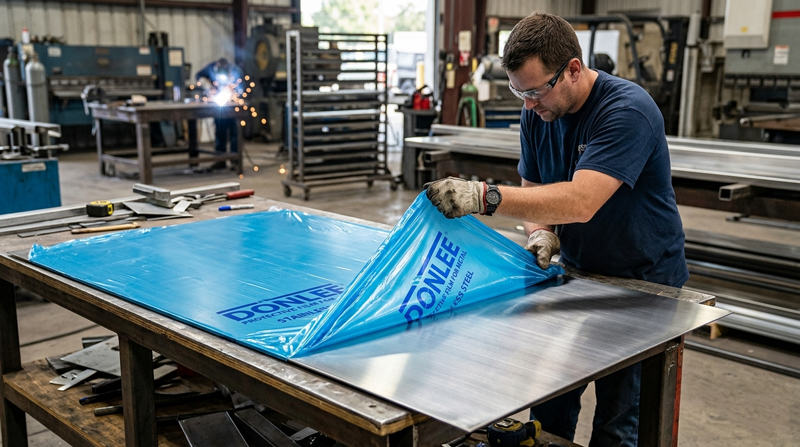
Stainless steel is a prized material in a wide range of industries for its durability, strength, and aesthetic appeal. However, its beautiful finish is also a vulnerability—scratches during manufacturing, fabrication, or transportation can significantly diminish its value. This is why temporary surface protection is essential throughout these processes.
For most manufacturers and procurement teams, the decision comes down to two popular materials: Polyethylene (PE) and Polyvinyl Chloride (PVC) protective films. Both offer unique advantages, but choosing the right one depends on your specific application. In this article, we'll compare PE protective film for stainless steel with PVC protective film stainless steel to guide you toward the best choice.
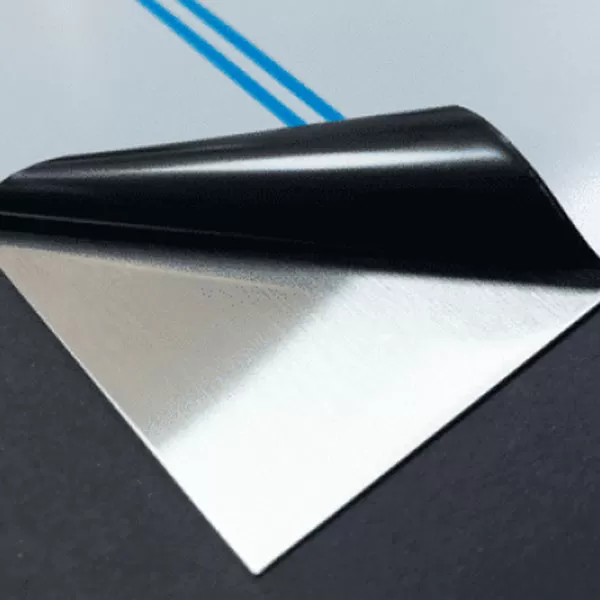
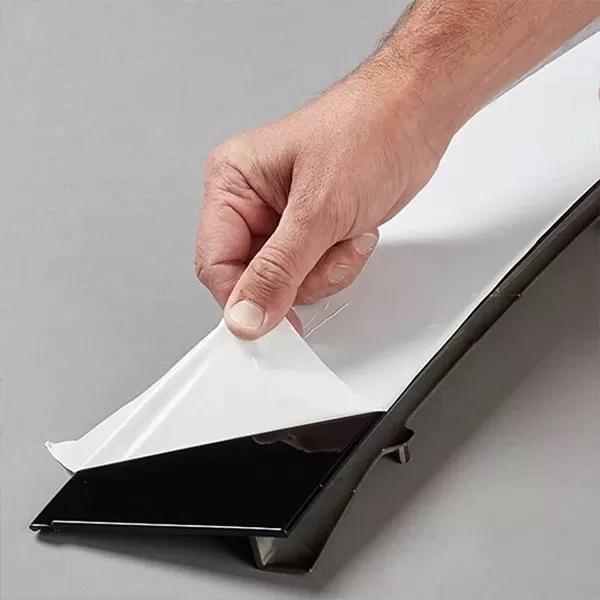
Protective films are temporary adhesive-backed layers applied to the surface of stainless steel to shield it from scratches, dirt, and chemical exposure. These films play a crucial role in maintaining the quality of the material during manufacturing processes like laser cutting, deep drawing, or transport.

Polyethylene (PE) protective films are currently the industry standard for most stainless steel protection applications. Lightweight, flexible, and eco-friendly, PE films are especially suited for general-purpose protection.
Environmentally Friendly
PE is a recyclable plastic that is less harmful to the environment than PVC.
When incinerated, PE does not release harmful chlorine gases, making it a cleaner choice.
Cost-Effective
PE protective films are more affordable than PVC, making them an attractive option for larger production volumes.
UV Resistant
Many PE films are UV-resistant, allowing the protected stainless steel to be stored outdoors for extended periods without the risk of adhesive hardening or transferring to the metal surface.
Visible Options
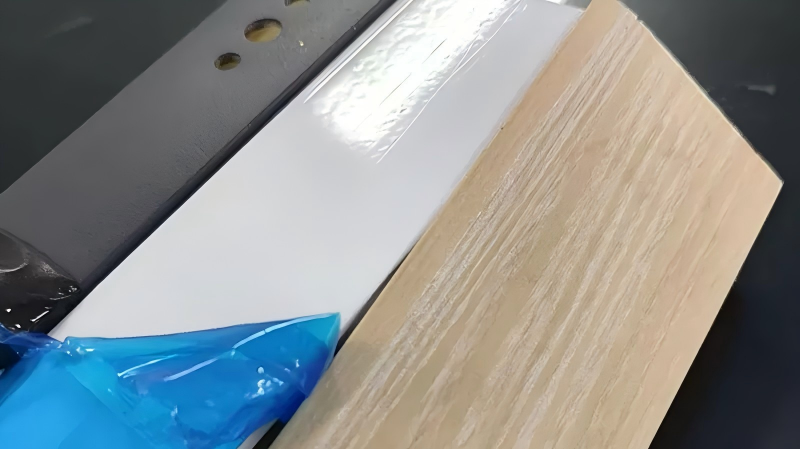
From clear to tinted and color-coded options (e.g., transparent, blue, black/white), PE film variations offer additional benefits, including ease of identification and aesthetic flexibility.
Applications Best Suited for PE Film:
Flat stainless steel sheet transportation
Standard fabrication and bending processes
Laser cutting with specialized fiber laser PE films
Temporary construction site protection
Polyvinyl Chloride (PVC) protective films are another popular choice, particularly in high-stress environments. Known for their exceptional elasticity and mechanical strength, these films excel in scenarios where stainless steel undergoes heavy manipulation.
Extreme Flexibility
PVC offers remarkable stretchability and elasticity. It can accommodate significant deformation, which makes it ideal for deep-drawing and heavy-duty manufacturing.
Enhanced Chemical Resistance
PVC provides slightly better protection against oils and harsh chemicals that may come into contact with stainless steel during specific fabrication or machining processes.
Superior Impact Resistance
PVC films typically offer better cushioning and physical protection compared to the thinner PE films, especially in high-abrasion environments.
Applications Best Suited for PVC Film:
Deep-drawing production methods (e.g., kitchen sinks, industrial basins)
Heavy-duty stamping
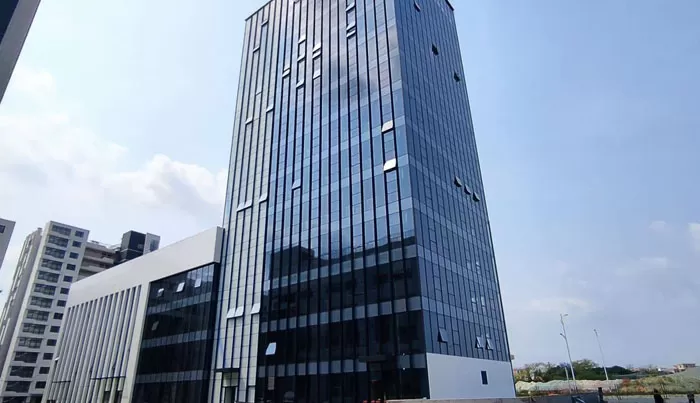
Protecting architectural stainless steel from impact during transportation or installation
This table highlights some of the key differences between PE and PVC protective films for stainless steel, helping you make an informed decision:
| Feature | PE Protective Film | PVC Protective Film |
|---|---|---|
| Sustainability | High (Recyclable, eco-friendly) | Low (Contains chlorine/plasticizers) |
| Cost | Lower (Highly affordable) | Higher (More expensive) |
| Flexibility | Moderate | Exceptional |
| Surface Protection Needs | Standard applications | High-stress, heavy-duty forming |
| UV Resistance | Strong | Limited |
| Removal | Easy, residue-free | Clean, but may leave issues after prolonged exposure |
The right choice between PE and PVC protective films depends on your specific use case and priorities. Here’s a quick guide to determine which works best:
You need an economical, eco-friendly protective solution.
Your application primarily involves flat sheets or standard fabrication processes like cutting and bending.
You require a temporary film for outdoor storage without worrying about adhesive damage caused by UV exposure.
You’re working with deep-drawn or heavily stamped products, where the material is subject to intense strain.
Your project involves difficult metal forming processes (e.g., creating complex 3D shapes).
The working environment exposes stainless steel surfaces to oil, grease, or extreme abrasion.
The ultimate goal of using protective films is to ensure your stainless steel retains its flawless surface from the start of the manufacturing process until final installation. Deciding between PE protective film for stainless steel and PVC protective film stainless steel comes down to application requirements, cost considerations, and environmental priorities.At Film and Tapes, we pride ourselves on offering high-quality protective films that cater to every stainless steel application. From mirror-polished finishes to detailed 3D designs, our versatile product line has you covered.
Contact our experts today to determine the best way to protect your stainless steel or explore our collection of Protective Films. Your surface deserves nothing less than the best.