Aluminum is a widely utilized material for its lightweight and corrosion-resistant properties. However, it has a softer, more delicate surface compared to stainless steel, making it particularly prone to scratches and chemical staining. Removing a “baked-on” protective film from aluminum improperly can lead to permanent micro-abrasions, adhesive ghosting, or even oxidation.
At Donlee, with decades of experience in manufacturing and application of high-performance protective film for aluminum sheets, we have encountered countless removal challenges. This guide provides expert-backed solutions to ensure safe and effective removal of protective film from aluminum without compromising its surface integrity.
Adhesive Aging: Over time, the polymers in the adhesive bond can cross-link with the aluminum oxide layer, making removal harder.
UV Exposure: Prolonged exposure to sunlight can bake the film, causing it to shrink and become brittle.
Temperature Variations: Aluminum expands and contracts in response to temperature changes, causing adhesive compression into the surface, complicating removal efforts.
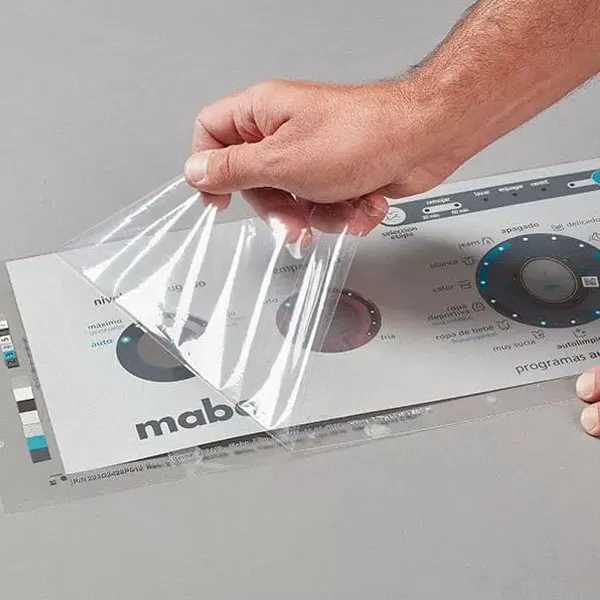
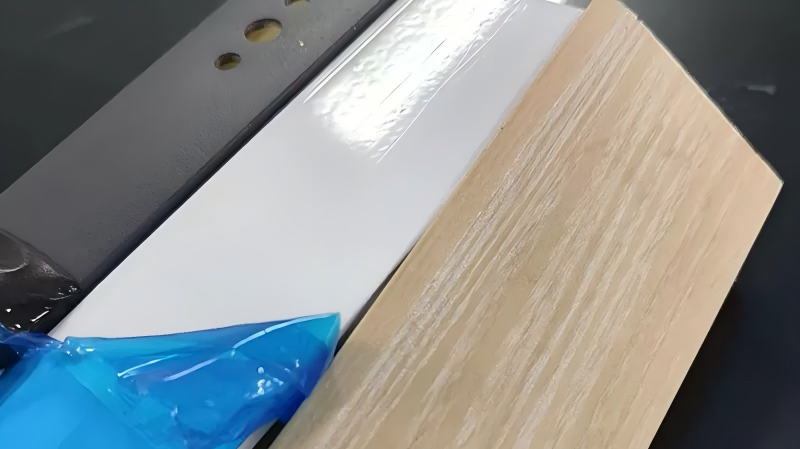
For newly applied films, start peeling from one corner at a 180-degree (parallel to the surface) angle to reduce “ghosting” or adhesive transfer. This low-impact peeling method minimizes the risk of damaging the aluminum's delicate finish.
To remove baked-on aluminum film, use a heat gun set to no more than 120°F (50°C). The controlled heat softens the adhesive, making it pliable and easy to peel off without tearing or leaving residue.
If adhesive residue remains after peeling, apply Isopropyl Alcohol (IPA) or a citrus-based cleaner to soften and remove it gently. Avoid using harsh solvents like acetone or highly alkaline/acidic cleaners, as they can stain or etch the aluminum surface.
Adhesive "Ghosting": If adhesive shadowing remains, apply a small amount of IPA and let it sit for 1-2 minutes before wiping with a lint-free cloth.
Anodized vs. Mill Finish: Anodized aluminum has a harder surface and higher resistance to scratching than mill-finish aluminum. Use extra care when handling the latter to prevent damage.
Most removal issues arise from using protective films that aren’t designed for aluminum. Donlee's specialized aluminum sheet protective films are engineered to avoid these problems:
Tailored Adhesive: Low peel force ensures easy removal without damaging the softer aluminum surface.
UV-Stabilized Films: Prevents brittleness and adhesive degradation in sunlight.
Durability: Designed for various climate conditions, ensuring optimal peel performance even after prolonged storage.
Protect your aluminum from damage by choosing the right protective film upfront. Visit our product page to explore solutions that safeguard the integrity of aluminum surfaces.
Q: Can I use a razor blade for removing the film?
A: No, aluminum is too soft. Even plastic scrapers should be used sparingly to avoid scratches.
Q: How long can I leave the protective film on aluminum sheets?
A: Most Donlee protective films can remain on the surface for 6-12 months, depending on environmental exposure.
While this guide focuses on aluminum, the core physics of adhesives are universal. For a broader overview, read our comprehensive guide on how to remove protective film from metal.