PE and PET protective films can both shield electronic components and optical plastic surfaces, but they differ in stiffness, elongation, dimensional stability, clarity, and temperature behavior. Those differences influence lamination, die cutting, inspection, and clean removal.
The base film is only part of the construction. Adhesive chemistry, coating quality, thickness, cleanliness, and release behavior must be selected with the substrate and process.
PE is generally flexible and conformable, making it useful for temporary protection where the film must follow a surface or tolerate deformation. PET is typically stiffer and more dimensionally stable, with high clarity options that suit precise die-cut and optical inspection applications.
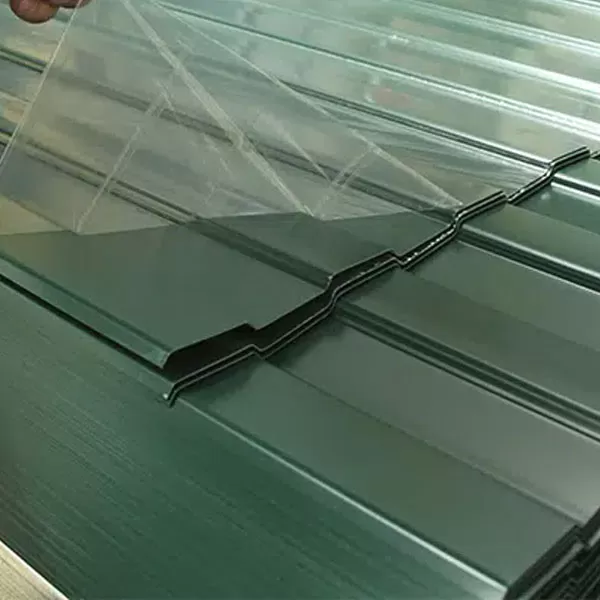
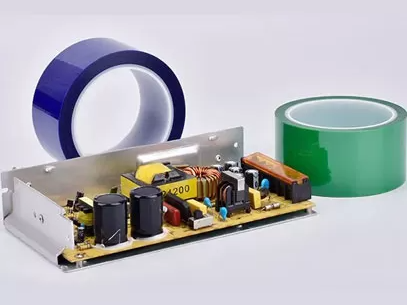
Donlee’s protective films for electronics include application-specific constructions. Buyers should confirm the exact polymer and adhesive rather than infer performance from a generic ‘PET’ or ‘PE’ description.
| Requirement | PE tendency | PET tendency |
|---|---|---|
| Conformability | Higher | Lower/stiffer |
| Dimensional stability | Moderate | Higher |
| Optical clarity options | Available | Often favored for high clarity |
| Die-cut registration | Can stretch under tension | More stable |
| Forming/deformation | Often more forgiving | Requires validation |
| Temperature resistance | Grade dependent | Often higher, grade dependent |
These are material tendencies, not a product specification. Polymer grade, orientation, film thickness, and coating can change the result.
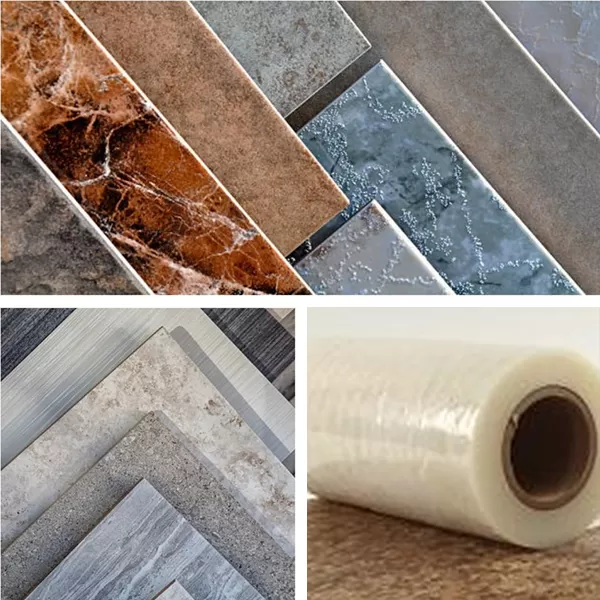
Display films, light guides, optical sheets, and glossy plastic can reveal particles, coating streaks, and adhesive transfer. Ask how the film is coated, inspected, slit, and packed, and define particle or visual standards appropriate to the component.
A high-clarity film can allow in-process inspection without removal, but optical distortion, haze, and surface interaction should be evaluated on the final part.
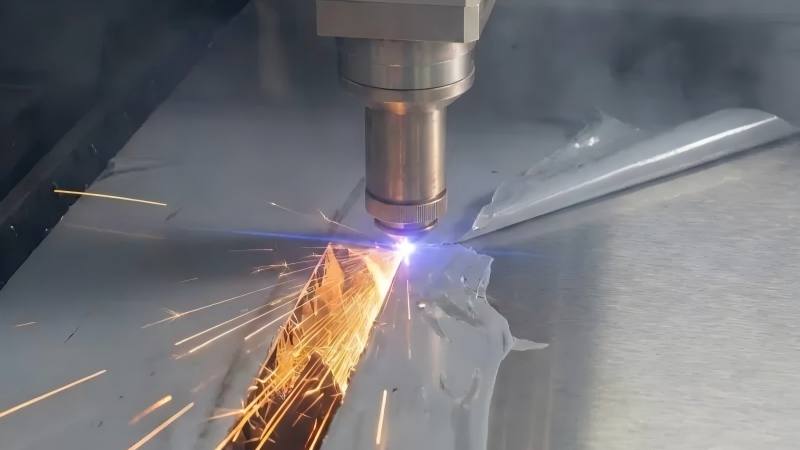
Dimensional stability, release liner, adhesive ooze, edge quality, and static can affect die-cut yield. Test the intended rotary or flatbed process at production speed. Record shrinkage, registration, liner separation, and waste stripping.
If the protective film remains on a die-cut component through assembly, verify that cut edges do not lift and that the removal tab is accessible.
A low-peel product can still leave residue if the adhesive is incompatible or exposed to excessive heat and dwell. Conversely, a higher-peel film may remove cleanly when engineered for the surface and process.
Approve initial peel, aged peel, surface appearance, and removal behavior after the maximum process duration. Include temperature and humidity conditions in the test report.
Substrate polymer, coating, and surface texture
Desired clarity, color, thickness, and print
Lamination, die-cutting, and assembly conditions
Temperature/humidity exposure and dwell time
Required peel test method and clean-removal criteria
Width, roll length, core, winding, and cleanliness requirements
Neither is universally better. PET often provides stiffness and dimensional stability; PE often provides conformability. The substrate and process decide.
PET is frequently chosen for registration stability, but the adhesive, liner, static, and die process also matter. Validate the complete construction.
A suitable high-clarity film may permit inspection, but haze, distortion, and particles must be validated against the inspection standard.
Test peel and surface appearance after representative dwell, heat, and humidity using the exact substrate and a defined removal method.
Provide Donlee with the substrate, optical standard, die-cut process, and removal conditions. Samples can then be compared for dimensional stability, cleanliness, adhesion, and aged removal before production approval.