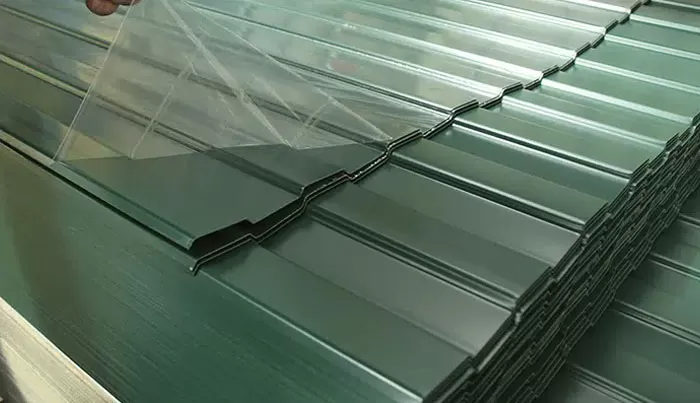
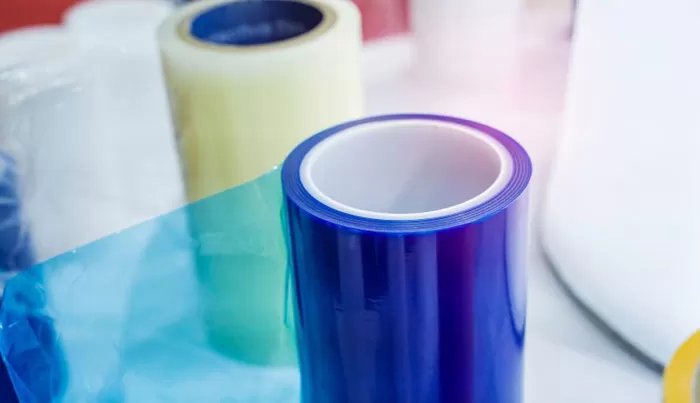
Protecting aluminum surfaces during manufacturing, storage, and transport can be a challenging balancing act. Selecting the wrong aluminum protection tape could result in surface damage, adhesive residue, or even ruined products, costing your business valuable time and money. In this guide, we'll explore how to select the right tape for your specific project needs, ensuring outstanding results while avoiding common pitfalls.
Imagine this: a manufacturer ships a batch of high-value anodized aluminum sheets overseas. Upon arrival, the client discovers adhesive "ghosting" left behind on the surface. The result? A costly production bottleneck and dissatisfied stakeholders.
At Donlee, we’ve spent over 30 years protecting billions of square feet of aluminum surfaces across industries. Our experts have witnessed firsthand the consequences of poor tape selection and are here to ensure you make the right choice the first time. It all comes down to two critical factors: your aluminum surface finish and the intensity of your manufacturing process.
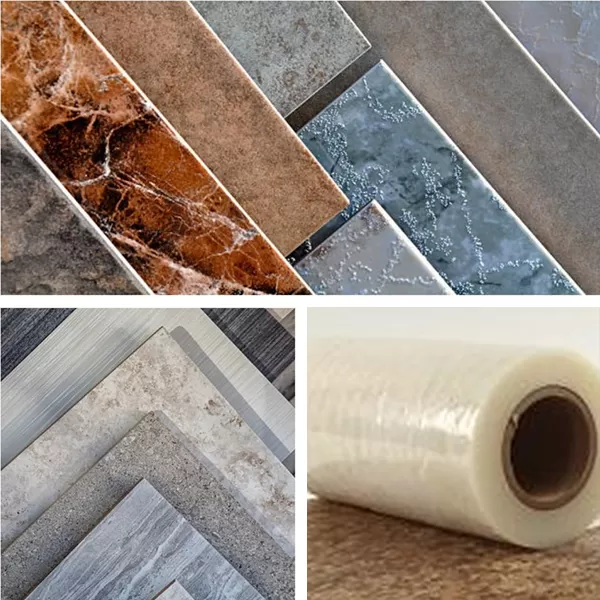
Not all aluminum surfaces are the same, and the finish of your aluminum determines the type of protective tape and adhesive required to prevent damage. Here’s a breakdown of common surface finishes and their unique needs:
Mill Finish: These surfaces are easy to scratch and typically require a low to medium-tack film for sufficient protection without excessive adhesion.
Anodized Aluminum: Highly prone to "ghosting" and residue issues. For these surfaces, specialized acrylic adhesives with stable adhesion are essential.
Powder Coated or Textured: The textured nature demands a higher tack to adhere effectively, especially in uneven zones.
Mirror/Polished: These ultra-sensitive surfaces are vulnerable to marring and should be paired with an ultra-thin, low-tack PE film.
Your manufacturing, storage, and transport processes greatly influence the type of protection tape you need. Here are key considerations:
Long-distance shipping and extended storage require films that are UV-resistant and provide adequate moisture barriers to ensure no adhesion build-up or weather-related degradation occurs.
For processes involving deep drawing or bending, the protective film must offer high elongation so it can stretch without tearing or compromising the aluminum’s surface.
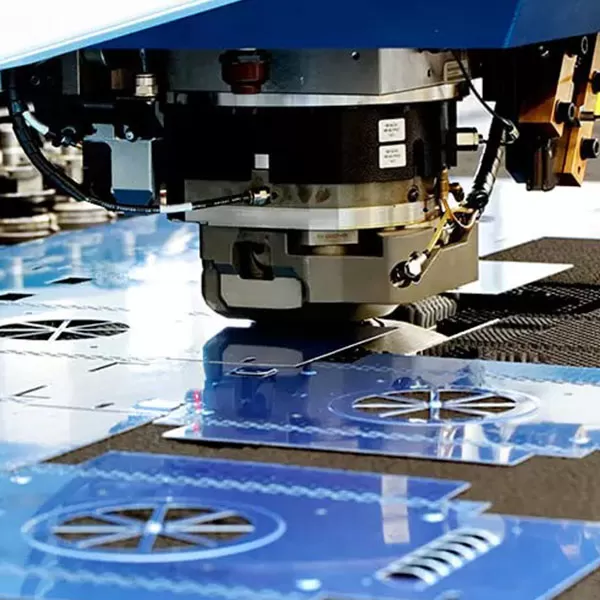
If your project involves laser cutting, "Laser Film" is a must. These films, typically distinguished by their blue color, prevent issues like bubbling or edge-lifting caused by the heat of the laser.
The adhesive type on the protection tape plays a pivotal role in surface protection. Here’s a comparison:
Ideal for long-term aluminum storage due to its stability and residue-free properties.
Significantly reduces risks of adhesion build-up over time.
Donlee recommends acrylic adhesives for most projects involving aluminum protection.
Offers superior initial tack, especially for surfaces that are difficult to adhere to.
However, higher residue risks make this unsuitable for many aluminum applications, particularly in outdoor environments.
Mistakes in choosing or applying aluminum sheet protective film tapes can lead to disastrous results. Avoiding these common errors ensures your project’s success:
Ignoring the "Peel Window": Most films are designed for 3-6 months of use. Exceeding this timeframe increases the risk of adhesive residues remaining on the aluminum.
Using High Tack on Polished Surfaces: While high tack may seem like added assurance, it often damages polished or mirror finishes during removal.
Application on a Contaminated Surface: Dust, moisture, or oil on the aluminum can lead to edge lifting, reducing the effectiveness of the adhesive and compromising overall protection.
With decades of experience, Donlee has become the trusted partner for industries requiring reliable surface protection solutions. Here’s why:
Residue-Free Promise: Avoid costly cleanup or damaged products with our advanced adhesive technology.
Tailored Solutions: Choose from a range of widths, lengths, and even customize your film with branding and logos.
Proven Success: Our clients have experienced unmatched protection during export shipments to global markets, including Thailand, without residue or edge lift.
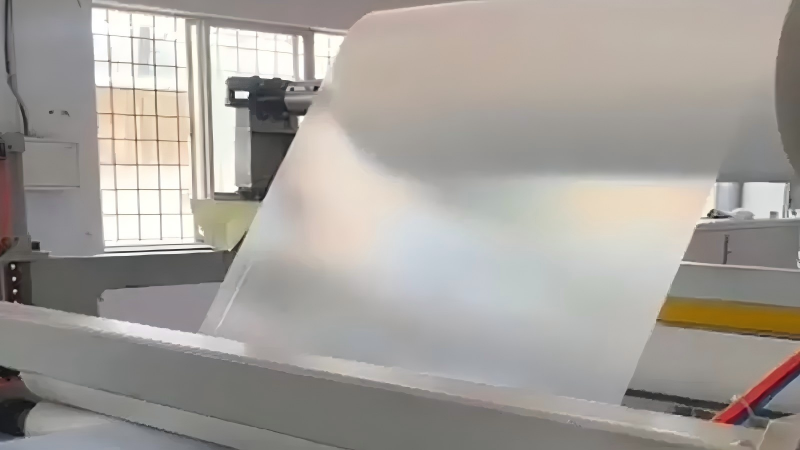
Before you select the right aluminum protection tape, review this handy checklist:
Identify your aluminum surface type (mill finish, anodized, textured, polished, etc.).
Evaluate your manufacturing and transport process (storage times, laser cutting, bending, etc.).
Select the appropriate tack level and adhesive type (acrylic for most aluminum applications).
Request a free sample from Donlee for hands-on testing.
| Surface Type | Recommended Tack | Adhesive Base | Common Series |
|---|---|---|---|
| Anodized Aluminum | Low to Medium | Water-based Acrylic | View Product |
| Mill Finish | Low | Acrylic | View Product |
| Powder Coated | High | Rubber/Acrylic Hybrid | View Product |
"In our 30 years of testing, we’ve found that applying protective film at room temperature (around 20°C) reduces ‘edge lift’ by 40% compared to applications done in cold warehouses. Ensure your workspace is climate controlled for the best results.”
Stop guessing when it comes to selecting the right aluminum protection tape. Partner with the experts at Donlee and safeguard your projects with confidence. Contact our engineers today for a free sample and personalized technical support.
If adhesive residue is left behind, use an isopropyl alcohol-based cleaner and a non-abrasive cloth to gently wipe the surface. Avoid using harsh chemicals that can damage the aluminum finish.
Yes, but it’s crucial to use specialized "Laser Film" designed to withstand high temperatures, which prevents bubbling or edge-lifting during laser cutting processes.
Many protective films, including Donlee's, are designed with UV-resistant properties to protect aluminum surfaces during outdoor storage or transport under direct sunlight.