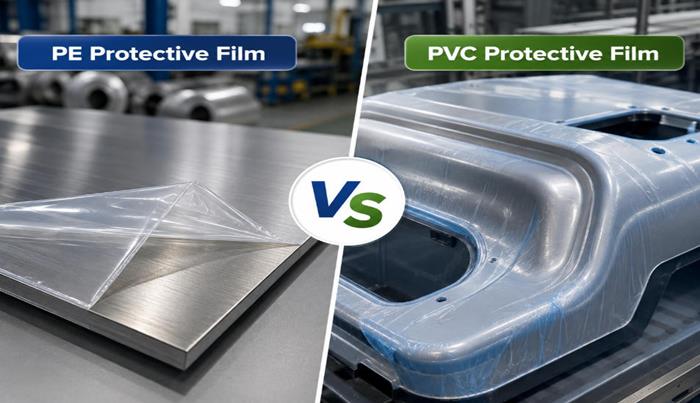
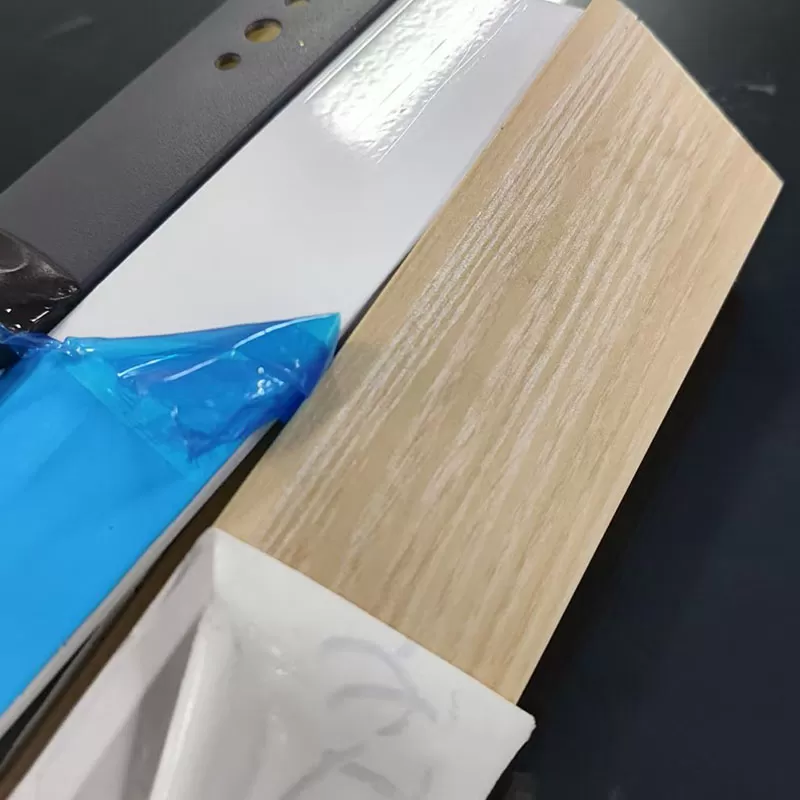
You finally unpack a premium stainless steel refrigerator, range, or dishwasher—only to find the blue/clear protective film tearing in strips, stuck in seams, or seemingly “baked on” to the brushed finish. The good news: you can remove it safely without scraping tools or harsh chemicals.
At Donlee, we manufacture stainless steel appliance protective film and work with the real-world variables that affect removal—heat, UV exposure, storage time, and adhesive chemistry. This guide shares the professional, surface-safe method to restore surface integrity and avoid permanent damage.
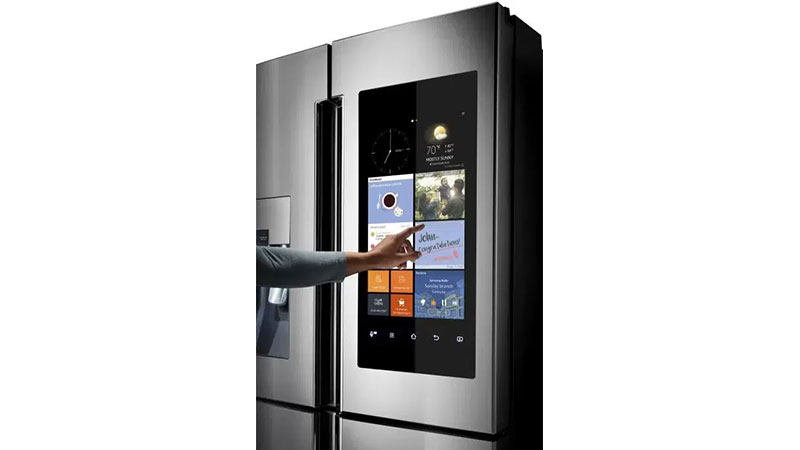
Most appliance films are designed to be “easy-peel,” but removal becomes difficult when the film and adhesive experience conditions outside their intended window.
Protective films typically use a pressure-sensitive adhesive (PSA)—often acrylic-based—engineered to hold during shipping and fabrication. When exposed to heat (warehouses, containers, sun-facing loading docks), the adhesive can soften and wet-out into the microscopic texture of a #4 brushed metal finish, increasing bond strength. Over time, this can lead to adhesive transfer—where the film lifts but the adhesive stays behind as sticky “ghosting.”
If the appliance sat in direct sunlight (even through a window) or outdoors during delivery, UV exposure can embrittle the film layer and make it tear rather than peel cleanly. UV can also change how the adhesive releases, especially on high-energy metal surfaces.
Higher-quality options often use co-extruded film constructions and adhesives tuned for both secure hold and clean removal. Film micron thickness, adhesive coat weight, and UV stability all influence whether removal is effortless—or frustrating.
Gather these items before you start:
Soft microfiber cloths (non-abrasive; use several clean ones)
Hair dryer (preferred) or a heat gun on low (use carefully)
Plastic scraper or an old credit card (never metal)
Vegetable oil or Goo Gone (for adhesive residue on stainless steel)
Isopropyl alcohol (IPA) (final degreasing and streak-free finish)
Optional but helpful:
Cotton swabs for corners and gasket edges
Nitrile gloves for solvent cleanup
Use a hair dryer on medium/low and heat a small area for 20–40 seconds.
Why it works: Gentle heat softens the PSA and slightly relaxes the PE (polyethylene) film, making it more flexible and less likely to snap or tear.
Tip: Keep the airflow moving; don’t concentrate heat in one spot for too long—especially near plastic trim or door gaskets.
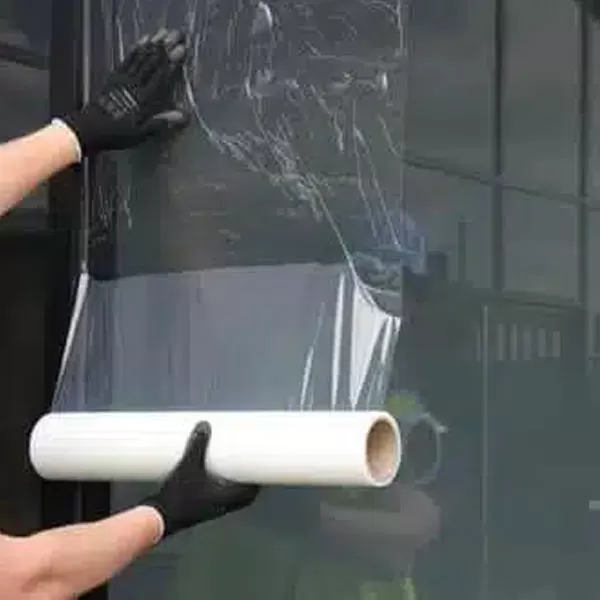
Lift a corner with your fingernail. If you can’t grab an edge, use a plastic scraper/credit card to coax up a tab—light pressure only.
If the film tears immediately, reheat and try again. Tearing is usually a sign the film is cold, UV-embrittled, or the adhesive is still too firm.
Peel slowly at about 45 degrees, keeping steady tension.
Why it works: A low, controlled peel angle reduces stress concentration and helps the adhesive release more evenly—less ripping, less residue.
Pro move: Peel in shorter sections, reheating as you go, rather than trying to rip off a full panel at once.
Film often hides under:
Door gaskets
Handles/brackets
Trim pieces and panel seams
Method:
Warm the area.
Pull the film outward from the seam rather than dragging across the seam line.
Use a credit card edge to lift film tucked under rubber, then peel slowly.
Do not forcefully tug under gaskets—stretching or deforming them can affect sealing.
If you have adhesive residue on stainless steel, don’t scrub. Dissolve and lift.
Option A (gentlest): vegetable oil
Apply a small amount of oil to a microfiber cloth.
Rub lightly with the grain of the brushed finish.
Let it sit 2–5 minutes.
Wipe clean.
Option B (stronger): Goo Gone Use sparingly, follow label directions, and wipe thoroughly.
Why oil-based products help: Many acrylic PSAs respond better to oil-based solvents, which can break down the polymer tackifiers without aggressive abrasion.
Finish by wiping the area with isopropyl alcohol on a clean microfiber cloth to remove oily residue and reduce streaking.
Always wipe with the grain for the best cosmetic result.
A utility knife, razor blade, or metal scraper can permanently gouge a brushed finish with one slip—damage that is extremely difficult to correct.
Steel wool can scratch, and tiny carbon steel fibers can embed in stainless, leading to discoloration and corrosion issues (often called “tea staining” or rust spotting).
Avoid bleach and chloride-based cleaners. They can attack the protective chromium oxide layer that makes stainless steel “stainless.”
Stubborn protective film is usually the result of heat, UV exposure, and time causing stronger bonding or adhesive transfer. With gentle heat, the right peel angle, and residue-safe cleaners, you can remove stainless steel appliance protective film without scratching and preserve the value and appearance of your appliance.
Preventing these issues starts with the right film. If you’re a manufacturer or fabricator, choosing a high-quality, residue-free Donlee protective film helps ensure your customers never face this struggle.
Looking for the perfect balance of adhesion and easy removal?
Explore Donlee's high-performance stainless steel appliance protective film solutions on our product page.
No. Leaving film on for extended periods—especially longer than 6 months or in direct sunlight—can increase the chance of adhesive bonding and difficult removal.
Vinegar can help with general cleaning, but for many acrylic adhesive residues, oil-based solvents tend to work more effectively than vinegar alone.