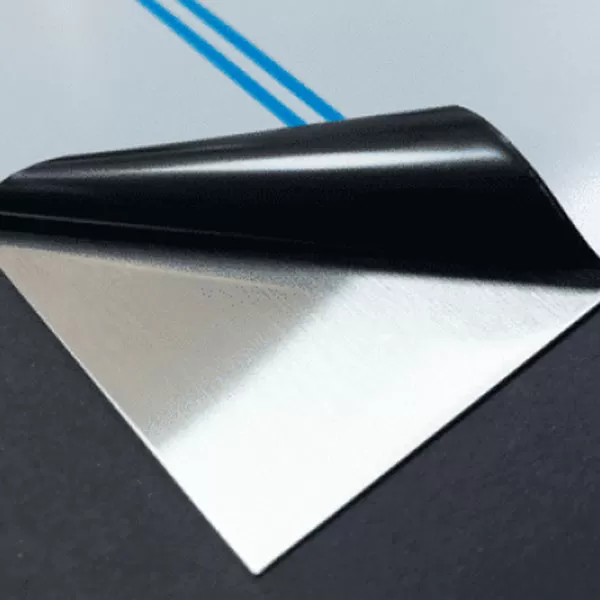
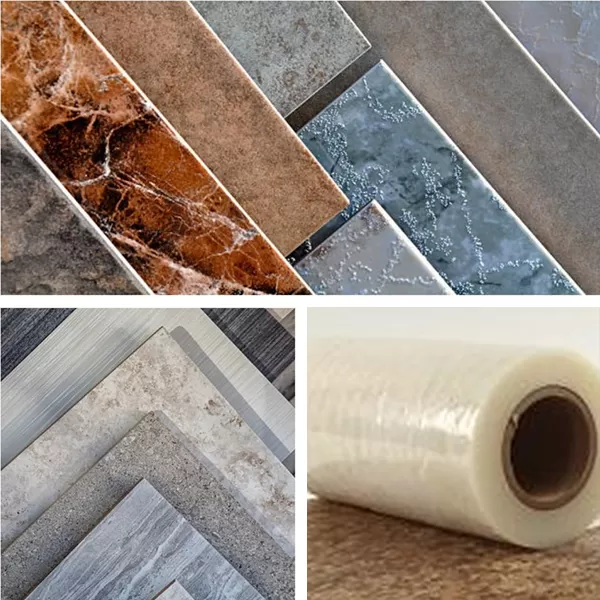
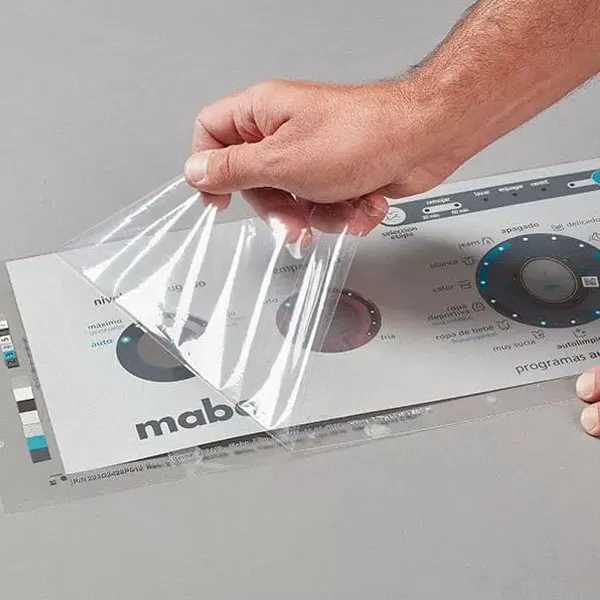
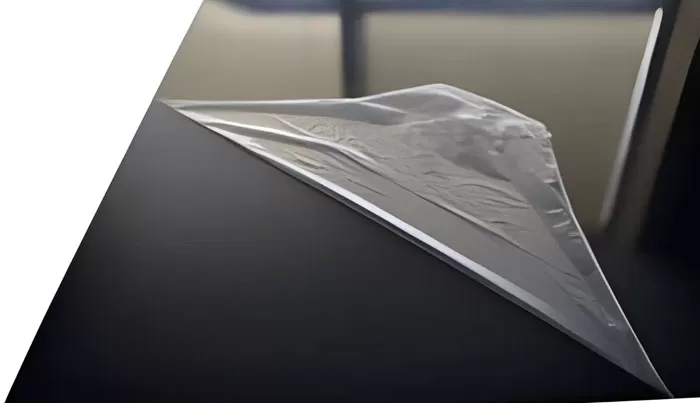
Electric vehicles (EVs) have revolutionized the automotive landscape, but behind the sleek exteriors and impressive ranges lies a complex manufacturing ecosystem. Central to this ecosystem is the EV battery – a component that must meet rigorous safety, thermal, and efficiency demands. In this high-stakes race, one unassuming but essential element makes a critical difference: heat-resistant surface protection tape. This article delves into why this unsung hero is non-negotiable in scaling EV production safely and efficiently.
EV battery assemblies operate under extreme conditions — temperatures that rival small furnaces, combined with the constant risks of electrical shorts, contamination, and thermal runaway. In this context, the smallest detail, such as a residue left by subpar adhesive tape, can trigger failures with consequences ranging from compromised vehicle efficiency to catastrophic safety hazards.
With the industry’s pivot to high-density lithium-ion and solid-state batteries, traditional surface protection solutions – the ones designed for less demanding environments – have proven inadequate. Whether it's melting under heat, leaving conductive residue, or outgassing harmful chemicals, outdated materials cannot meet EV-specific demands.
Manufacturers rely on cutting-edge material science to develop tapes that can withstand the demanding thermal and chemical environment of EV battery production. Two substrates dominate the conversation:
Polyimide (PI): Known for its high-temperature resistance (up to 260°C) and excellent dielectric properties.
Specialized Polyester (PET): Balances temperature resistance and cost-efficiency for less critical applications.
Adhesives are just as critical as the substrate. The wrong formula can contaminate sensitive battery components or become brittle under curing conditions. Here's a quick overview:
Silicone-Free Adhesives: Essential in EV assembly to prevent ionic contamination, a key consideration for dielectric strength. Silicone-based adhesives, though heat-tolerant, can interfere with bonding processes critical to battery assembly.
Acrylic Adhesives: Provide high thermal stability and clean removal properties, ensuring no residue that could disrupt thermal management systems.
In high-voltage environments, surface protection doesn't just guard against scratches; it ensures critical electrical insulation. Tapes with outstanding dielectric breakdown voltage prevent short circuits by maintaining their integrity during and after battery assembly.
Selecting the wrong surface protection materials can have far-reaching effects. Let’s break this down into three critical risks:
Poor-quality tapes can ignite or melt under extreme conditions, effectively becoming fuel for thermal runaway events. A fire-resistant tape, certified under UL94 V-0, acts as a barrier, mitigating the spread of flames and maintaining safety compliance.
Residue from low-grade adhesives creates air gaps on battery cooling plates, reducing thermal conductivity by up to 15%, depending on the assembly specification. This may lead to overheating, diminishing battery lifespan and operational safety.
Conductive particles or adhesive debris left behind can cause bridging between high-voltage components. A robust surface protection solution minimizes this risk through ultra-clean adhesive formulations and meticulous manufacturing controls.
As EV technologies evolve, so do the standards and expectations for manufacturers of safety-critical materials. By 2026, here’s what you should demand:
UL94 V-0: Validates a material's flame-retardant capabilities.
REACH and RoHS Compliance: Ensures the absence of hazardous substances, pivotal in ensuring EV battery safety.
ISO Cleanroom Grades: Tapes produced in ISO-certified cleanrooms are less likely to introduce contaminants.
Leading surface protection tape manufacturers distinguish themselves by offering:
Clean Slitting Technology: Minimizes edge debris.
Custom Die-Cutting: Allows better alignment with intricate geometries in EV modules.
Surface protection tape is deployed across several critical components. Below are its broad applications:
Cooling Plates: Prevent damage to heat sinks, directly influencing thermal regulation efficiency.
Busbars: Provide insulation for high-voltage connectors during assembly stages to prevent shorts.
Battery Cells: Protect prismatic and cylindrical battery designs from abrasion and impact damage during module assembly.
To see at a glance why automotive-grade protective tapes are vital, consider the following comparison:
| Property | Standard Tape | Automotive-Grade Tape |
| Temperature Resistance | Up to 120°C | 180°C+ |
| Adhesive Residue | High | Zero |
| Dielectric Strength | <2kV | >5kV |
| Flame Retardancy | None | UL94 V-0 Certified |
In the world of EV battery manufacturing, surface protection is no longer just a supporting element — it’s a safety-critical component. From its role in maintaining electrical insulation to protecting thermal management systems, the right tape can ultimately define the success and safety of a battery system.
Don’t let subpar materials compromise your EV assembly line. Consult the experts at FilmAndTapes.com to source high-performance surface protection tapes tailored to the unique needs of the EV sector.
Continuous heat resistance up to 180°C or higher.
Zero adhesive residue upon removal to maintain cooling and insulation.
Dielectric breakdown voltage exceeding 5kV.
Flame retardant properties compliant with UL94 V-0.
Positioning surface protection tape from a "commodity" to a safety component elevates it as a priority investment, not an afterthought. By employing precision engineering, trusted manufacturers, and an application-focused approach, you can align your assembly processes with the uncompromising safety standards of tomorrow. Optimize for performance. Invest in the non-negotiable.# Markdown syntax guide