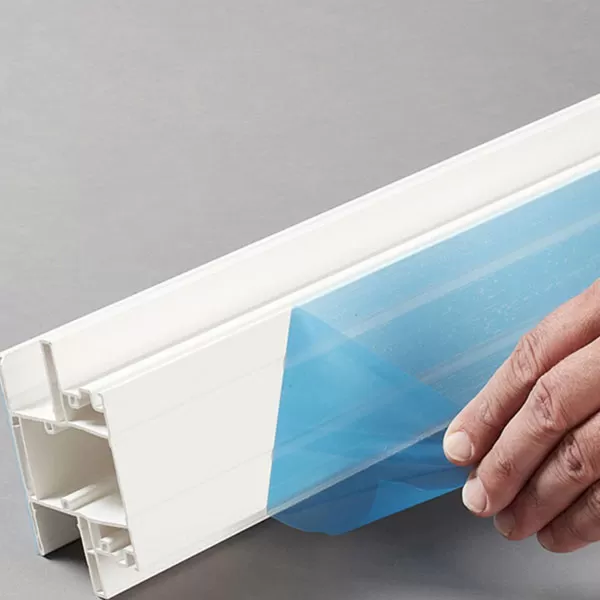
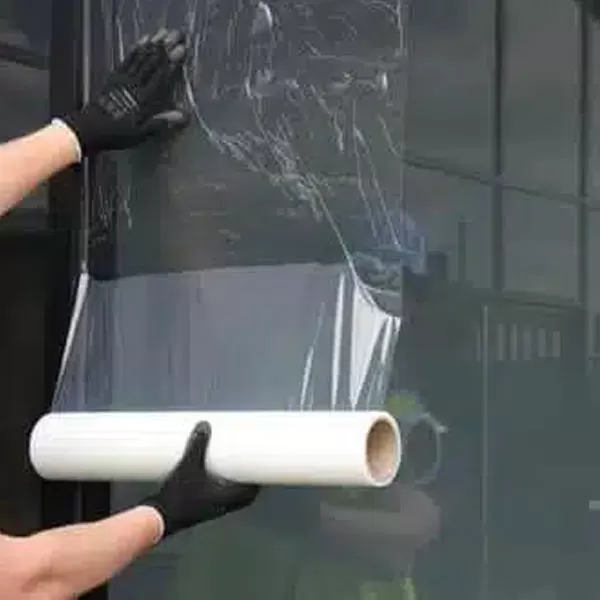
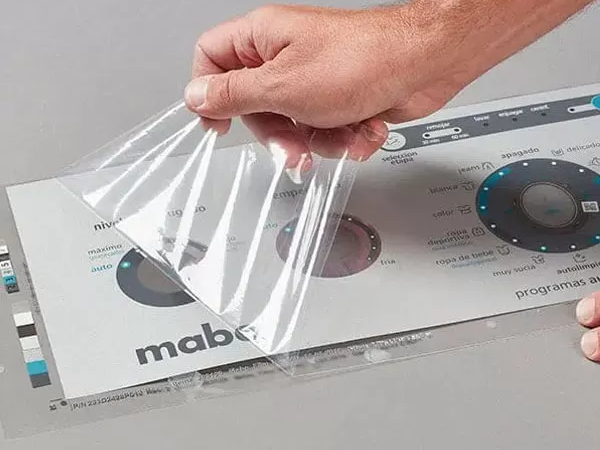
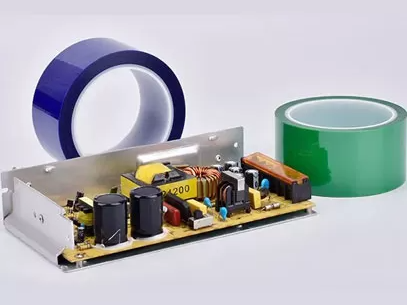
Most car owners hear “clear bra” or “paint protection film” and assume it's all the same product—just different installers and different price tags. In reality, the material you choose (PVC vs. TPU) can determine whether your car still looks “like-new” in three years—or looks tired, yellowed, and covered in paint chips.
And that difference can become very real money. Saving $500 upfront on a cheaper film can turn into a $3,000+ hit to trade-in or resale value later if the film yellows, cracks, or leaves adhesive residue that damages the clear coat during removal.
At Film & Tapes, we’ve spent decades working with polymer engineering and pressure-sensitive adhesive systems as a global protective film manufacturer. This guide breaks down the truth behind PVC vs TPU film, so you can choose protection that matches your ownership timeline—and your resale goals.
PVC protective film is made from Polyvinyl Chloride, a naturally rigid plastic that becomes flexible only after adding plasticizers.
Lower upfront cost compared to TPU
Decent initial scratch protection for light, short-term use
Often marketed as a budget “clear bra” alternative
PVC’s flexibility and appearance can degrade over time—especially on a daily-driven vehicle exposed to UV, heat cycles, road grime, and wash chemicals.
Common long-term issues include:
Yellowing from UV exposure (a “value killer” on white, silver, and light-colored paint)
Loss of elasticity as plasticizers migrate out over time
Brittleness and cracking, especially on curved panels and edges
Difficult removal that may leave adhesive residue or risk paint damage
If you plan to keep the car more than a year or two, PVC’s aging behavior is where “cheap protection” can become expensive.
TPU protective film is made from Thermoplastic Polyurethane, engineered for durability, flexibility, optical clarity, and long-term environmental resistance.
High-quality TPU films can “heal” micro-scratches through heat activation (sunlight, warm water, or controlled heat). At a material level, this comes from the way TPU polymer chains can reflow and relax under warmth—closing fine surface marks that would permanently haze many budget films.
TPU is known for strong clarity and a more refined finish when engineered correctly—minimizing the “orange peel” look that can make protection obvious.
TPU has high elongation at break, meaning it can stretch and absorb energy from rock strikes and road debris instead of cracking or tearing—helping prevent deep chips that later require repainting.
| Feature | PVC Film | TPU Film | Impact on Resale Value |
|---|---|---|---|
| Durability | 1–3 Years | 5–10 Years | TPU preserves a “like-new” finish longer. |
| UV Resistance | Poor (Turns Yellow) | Excellent (Stays Clear) | Yellowed film makes cars look aged and poorly maintained. |
| Removal | High Risk of Adhesive Residue | Clean, Easy Removal | Clean removal protects factory paint and buyer confidence. |
| Impact Absorption | Low | High | TPU reduces chips that can require repainting (a resale red flag). |
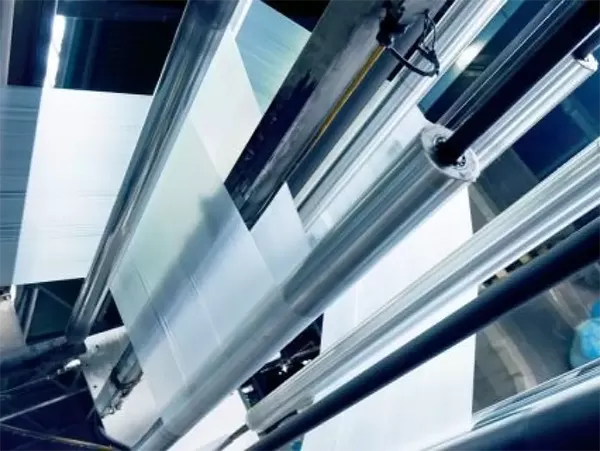
In protective films, the material is only half the story. The other half is how consistently it’s manufactured: polymer purity, layer uniformity, adhesive formulation, and QC testing.
Choosing a reputable protective film manufacturer helps ensure:
Automotive-grade TPU (not repurposed industrial plastics)
Predictable micron thickness and consistent surface finish
Stable UV inhibitors and long-term clarity performance
Controlled adhesive chemistry designed for bond strength + removability
If you’re comparing quotes, don’t just ask “TPU or PVC?” Ask who made it, what the warranty covers, and whether technical data is available.
One of the most common fears is: “Will the film ruin my paint?”
The honest answer: it depends on the adhesive system and how it ages.
Lower-grade films may use adhesive formulas that:
harden excessively over time,
react poorly to heat and UV,
or create stubborn residue that requires aggressive removal methods.
High-quality TPU films from a reputable manufacturer often use advanced pressure-sensitive adhesives designed to balance:
low initial tack (for repositioning during install),
proper curing for secure long-term bonding,
and clean removability years later when professionally removed.
This is where professional installation and correct maintenance matter—but it starts with film and adhesive engineering.
As a specialized protective film manufacturer, we test our TPU films against ASTM D333 standards for peel adhesion. This helps ensure the film stays secure at highway speeds while still removing cleanly at end-of-life—supporting long-term surface protection without adhesive residue surprises.
PVC protective film can work for short-term needs and tight budgets—especially if you’re protecting a vehicle temporarily or planning to replace the film quickly.
But if you care about long-term appearance, easier removal, and protecting equity, TPU paint protection is the smarter investment. For most owners planning to sell in 3–5 years, TPU isn’t a luxury—it’s a practical insurance policy for preserving factory paint and maintaining resale value.
If you’re sourcing for a detailing business or fleet, choose a protective film manufacturer that can supply consistent specs, traceable quality, and technical documentation—not just a roll of film.
It can. Residue risk depends on the film’s adhesive chemistry, how long it stayed on, UV/heat exposure, and removal technique. Premium TPU films are typically engineered for clean removability when removed correctly.
They solve different problems. TPU film helps prevent chips and physical damage (impact absorption), while ceramic coating mainly improves hydrophobic properties and ease of cleaning. Many owners use both: film for impact zones, ceramic on top or on unfilmed areas (based on product compatibility).