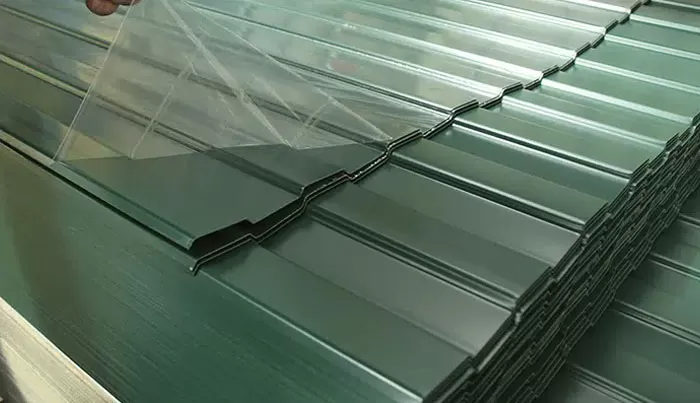
Aluminum is one of the most versatile and widely used materials across industries, from construction and automotive to manufacturing and aerospace. But when it comes to safeguarding its surface during handling, fabrication, or transit, choosing the right protection tape for aluminum isn’t just about affordability—it’s about finding the perfect match for your specific aluminum finish.
Whether you're working with raw mill finish or anodized aluminum, this blog is your complete guide to understanding surface properties, adhesive technologies, common pitfalls like "ghosting," and critical best practices. Arm yourself with engineering-grade insights to avoid damaging your high-value aluminum surfaces.
The journey to selecting the right protection tape begins with understanding the aluminum finish. Each type comes with unique surface properties that interact differently with adhesives.
Mill finish aluminum is uncoated, straight from the extrusion process. Its primary challenges include:
Extrusion Lines: Microscopic grooves left by the manufacturing process, creating uneven adhesion.
Residual Mill Oils: Traces of lubricants used during extrusion interfere with tape bonding.
For mill finish aluminum, selecting a tape with hybrid or rubber-based adhesives ensures stronger initial tack to counter surface irregularities and residual oils.
Anodized aluminum undergoes an electrochemical oxidation process, creating a durable oxide layer. While this "sealed" surface is smoother and more uniform, its higher surface energy requires specialized tapes. Consider the following:
High Surface Energy: Anodized finishes are more prone to adhesive "ghosting."
Chemical Incompatibility: Solvent-based adhesives might react with the anodized layer, leaving marks.
For anodized aluminum, opt for water-based acrylic adhesives that are ghosting-free and chemically inert.
Rubber-based adhesive tapes are ideal for raw aluminum surfaces where minor imperfections and oil residue can interfere with bonding. These tapes offer:
Aggressive initial tack, preventing tape lift during extended transportation.
Better adhesion to slightly uneven or porous surfaces.
Expert Tip: Conduct a preliminary tape test on heavily milled aluminum to ensure the bond remains intact under various handling scenarios.
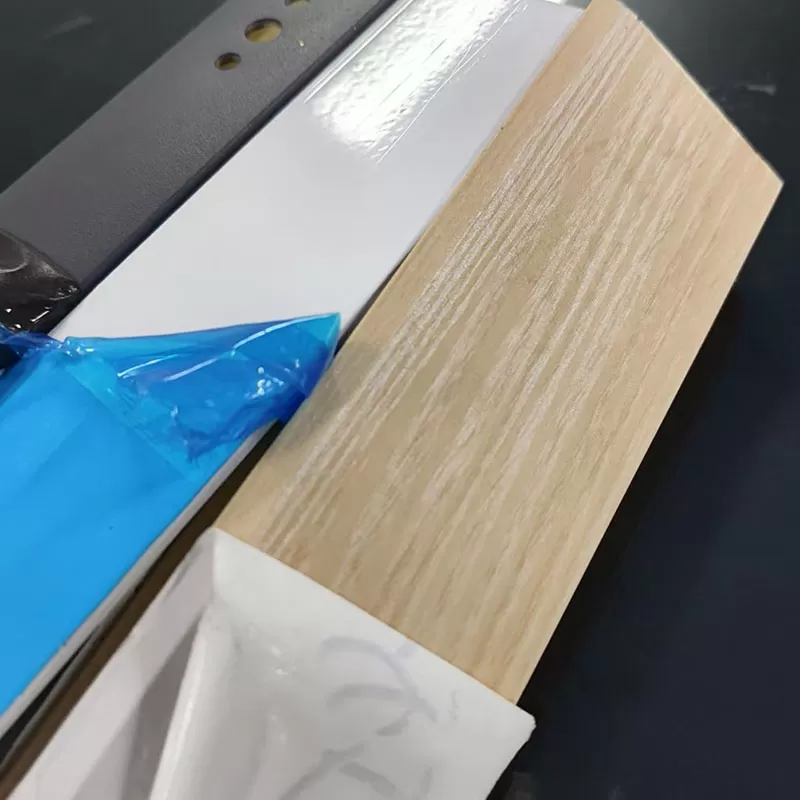
Acrylic adhesives are formulation-ready to handle the smoother, oxide-coated surfaces of anodized aluminum. Key benefits include:
Ghosting-free removal, even after prolonged use.
Higher UV resistance, ideal for external applications.
Expert Tip: Avoid tapes with solvent components for anodized surfaces, as they can chemically react, leaving permanent residue.
The thickness of your protection tape plays a critical role in safeguarding your aluminum surface during fabrication or transportation. Here’s how you can choose the right micron specification:
50 Microns: Ideal for light-duty applications like scuff resistance during transit or storage.
100 Microns: Best suited for heavy fabrication processes where bending or machining is involved.
Tape Selection Matrix Table:
| Finish | Recommended Adhesive | Tack Level | Thickness (Micron) | Applications |
|---|---|---|---|---|
| Mill | Rubber-Based | High | 100 | Transport, machining |
| Anodized | Acrylic (Water-Based) | Medium | 50-100 | Building facades, signage |
| Powder Coated | Acrylic | Low-Medium | 50-100 | Outdoor installations |
Adhesive ghosting refers to the residue or shadow marks left on the aluminum's surface after tape removal. This is the #1 issue users face when dealing with anodized or polished aluminum finishes.
Prolonged exposure to UV rays can cause adhesives to cross-link, turning the protective tape into a semi-permanent application. Avoid:
Leaving UV-sensitive tapes for extended periods (beyond 6 months).
Using non-UV-stabilized tapes for exterior applications.
Maximum Outdoor Duration Table:
| Adhesive Type | UV Stability | Outdoor Duration |
|---|---|---|
| Rubber-Based | Low | Up to 6 Months |
| Water-Based Acrylic | High | Up to 12 Months |
Surface Cleaning: Begin with a clean aluminum surface. Use a neutral pH cleaner to avoid degrading the finish or interacting with adhesive components.
Apply with Uniform Tension: Uneven tension during application can lead to stretch-back, causing edge-lift during transit.
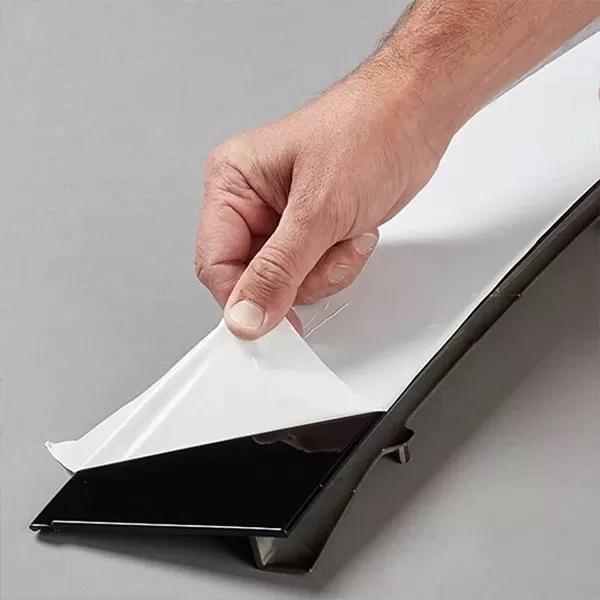
Remove at 90 Degrees: When peeling off the tape, maintain a controlled, slow pull at a 90-degree angle to ensure clean removal without ghosting or adhesive transfer.
The cost of choosing the wrong protection tape for aluminum is far more than the tape itself—it can mean ruined panels, increased fabrication costs, and damaged reputation. Whether you’re a procurement manager sourcing for bulk applications or a shop-floor technician looking to secure a pristine finish, understanding surface chemistry and adhesive compatibility is the key to success. Ensure your aluminum surfaces remain intact. Request a free sample roll of our specialized Protection Tape for Aluminium today and test your surface’s compatibility with confidence.
No, if you use water-based acrylic adhesives, they are designed for clean removal without ghosting or adhesive transfer.
The duration depends on the adhesive type and UV resistance. Rubber-based adhesives may bond after 6 months under sunlight, while UV-stabilized acrylic tapes can last up to 12 months.
Yes, thicker tapes (100 microns) with rubber-based adhesives are ideal for heavy fabrication applications, including bending and machining.